Chinese New Year (CNY) is more than a tradition of vibrant red lanterns, family reunions over traditional dumplings, and spectacular fireworks. As the premier holiday of the world’s largest exporter, it is a global economic event that tests the resilience of every supply chain. China’s global exports reached $2.45 trillion in the first eight months of 2025, demonstrating that despite market shifts, the world’s dependence on Chinese manufacturing remains relentless.
Naturally, the United States is by no means immune to these effects. Data from the U.S. Census Bureau confirms this interdependence, with China serving as the top source of imports in 2024, totaling $438.7 billion. This celebration—with official public holidays running from February 17th to February 23rd, 2026—creates a logistical wake that American businesses must navigate with precision.
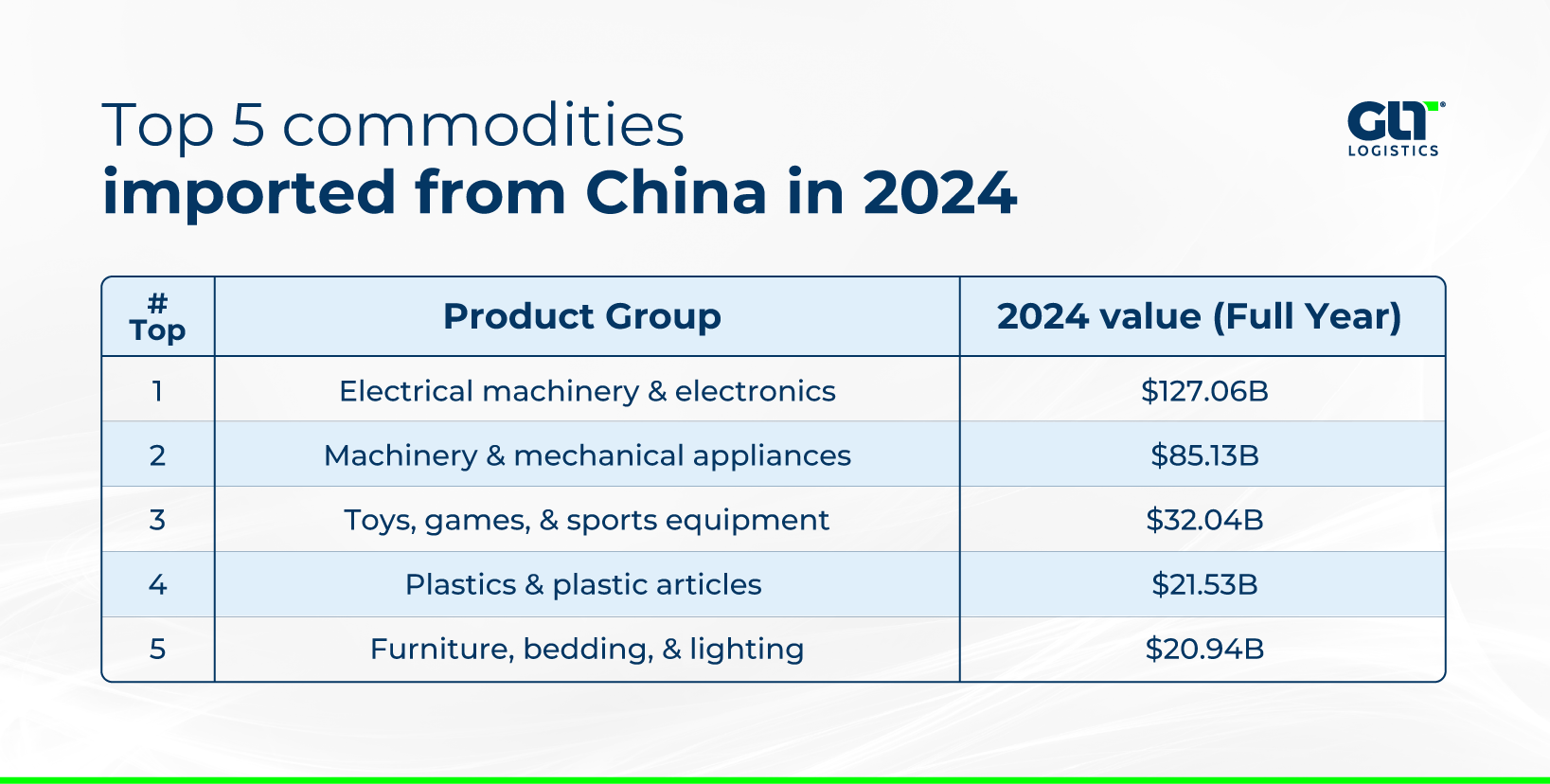
As Chinese New Year approaches, the logistics industry braces for a surge in demand that quickly saturates infrastructure. Factory pauses, port congestion, airport bottlenecks, and equipment shortages create a domino effect that extends beyond Asia, disrupting maritime, air, and inland routes worldwide for weeks.
How to Keep Your Logistics Moving During Chinese New Year
1. Consider Key Dates in Your Planning:
As factories pause for Chinese New Year, backlogs quickly build at major Asian hubs—often extending transit times by two to three weeks. To proactively plan your logistics, consider these key dates:
- February 17 – 23, 2026
The core holiday period.
Factory shutdowns often begin around February 17—sometimes earlier—and continue throughout the holiday week. Ports operate with reduced staffing, causing delays in documentation, customs clearance, and inland transportation.
- Late February – March 2026
Labor forces slowly return to hubs.
Operations gradually resume, but significant backlogs are common due to accumulated orders and capacity constraints.
- March 3, 2026
Lantern Festival
This marks the formal conclusion of festivities. By this date, most supply chain sectors aim to be back at full capacity.
2. Diversify Routes and Gateways
Relying on a single entry point during a surge is a risk you don’t have to take. When volumes spike around Chinese New Year, congestion does not spread evenly across the U.S. port system—pressure concentrates first in the country’s primary import gateways. Understanding where those bottlenecks form is the first step to routing around them.
The ports highlighted below represent the major U.S. import gateways for China–U.S. trade and, as a result, the most likely points of congestion during peak season.
U.S. Port Congestion Risk Map (CNY 2026)
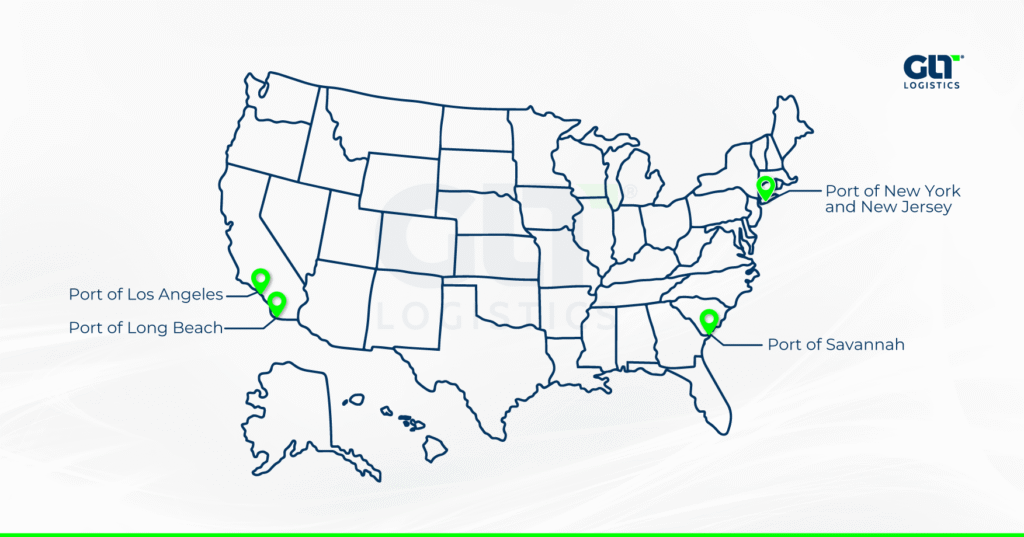
- Port of Los Angeles & Long Beach (San Pedro Bay)
Risk Level: Critical
This complex handles approximately 40% of all U.S. containerized imports and 70–80% of trans-Pacific traffic. It is the primary entry point for high-value Chinese electronics and auto parts.
- Port of New York & New Jersey
Risk Level: High
As the leading East Coast gateway, it receives cargo diverted from the West Coast to avoid labor uncertainty or Pacific congestion.
- Port of Savannah (Garden City Terminal)
Risk Level: Moderate
One of the fastest-growing hubs with high rail connectivity.
3. Bypass Gridlock: Transloading & Expedited or FTL
When congestion is unavoidable, flexibility on land becomes your most powerful recovery tool. If your cargo is delayed on the water, you must recover that time on land. Switch to a Transload model. Instead of waiting for a chassis, transfer your freight from the ocean container into a truck immediately.
At GLT Logistics, we then deploy FTL or Expedited Team Drivers. By bypassing LTL hubs and—with team drivers—moving 24/7, this solution ensures that even if the vessel arrived late, you make up the difference on the road.
4. Secure “Spot” Capacity Over Contract
During the weeks surrounding February 17th, carrier contracts often fail due to volume surges. Partnering with GLT means access to a preferred-carrier network that helps secure capacity even during peak demand.
5. Master Customs & Inland Execution
- Pre-Clearance: Ensure all documentation is 100% accurate and submitted early. Even minor errors can lead to weeks of “dwell time” when customs offices are understaffed.
- Inland Readiness: Secure your domestic trucking and drayage capacity before the vessel even docks.
In seasons like Chinese New Year, we continue doing what we know best: We take the “pointing fingers” out of the equation. If a blank sailing or a port delay occurs, we work on the solution immediately—leveraging our preferred-carrier network to prioritize your loads.
6. Synchronize with your Global Partners
Clear communication is the heartbeat of a resilient supply chain. Confirm exact factory shutdown dates, set a strict order cut-off date, and stay in real-time contact with your logistics partner.
With so many moving pieces across today’s supply chains, inland execution shouldn’t be another source of uncertainty. At GLT, we anticipate disruption and secure capacity under pressure — leveraging our network and technology to increase capacity probability by up to 30× while maintaining strict carrier security standards — and take full ownership from planning through final delivery, resolving the unexpected when it happens, without excuses.
As global slowdowns like Chinese New Year create ripple effects across transportation networks, having a partner that can absorb volatility is critical.
To protect your local operations through peak season, connect with our team at request@goglt.com