
Every shipment is like a strategic video game. As you navigate the complex levels of transport and logistics management, the interface becomes your lifeline, delivering critical alerts about your status, resources, and progress. But what if that interface shows nothing more than a basic tracking number? Without real-time visibility, you’re forced to make critical decisions with limited context, discovering delays, disruptions, or extra costs only when it’s already too late.
Effective logistics management goes beyond passive tracking. It requires a command center that not only displays information, but actively monitors operations, triggers alerts when something deviates from plan, and supports timely, informed decisions. That’s the difference between simply observing what happens and truly staying in control.
Visibility has shifted from a “nice-to-have” to a strategic necessity. In today’s volatile supply chain environment, understanding not just where your freight is, but what’s happening along the way, can determine whether you’re reacting too late or staying one step ahead. A Maersk survey reflects this shift, showing that supply chain professionals rank visibility as their top priority among industry trends.
In this article, we’ll explore how to identify effective logistics management capabilities—and why moving from basic tracking to real visibility creates a meaningful competitive advantage.
What is Logistics Management in Transportation?
It goes beyond moving goods from one point to another. In a high-stakes supply chain, logistics management is the strategic coordination of transportation to ensure efficiency, speed, and profitability, covering areas such as:
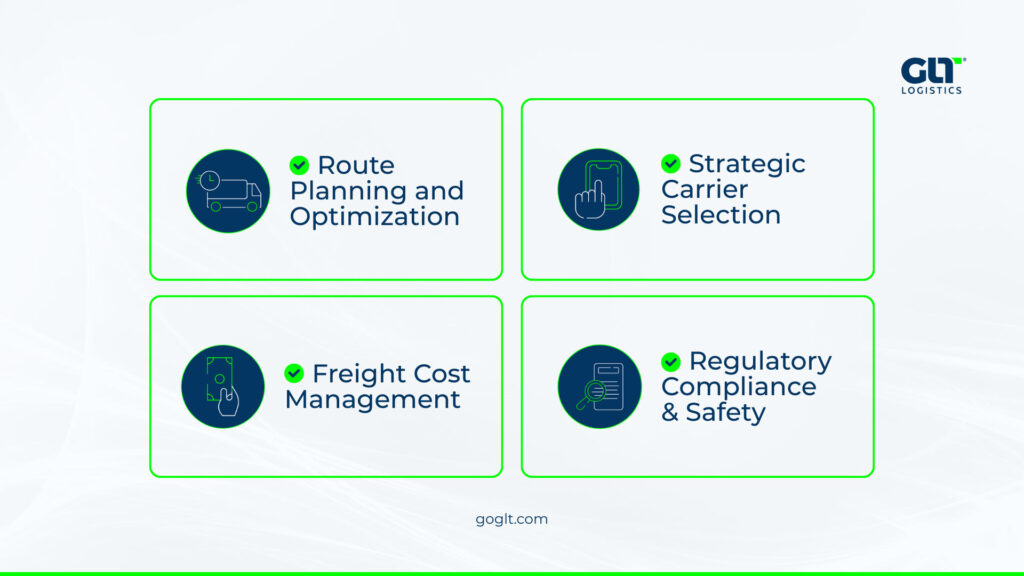
- Route Planning and Optimization: It involves using supply chain data analytics to analyze traffic patterns, weather conditions, and delivery windows to determine the most cost-effective and reliable route.
- Strategic Carrier Selection: Matching the right load with the right carrier has become more critical than ever. With fake truck drivers and fraudulent carriers now representing the second most common cause of cargo theft, carrier selection is no longer just about rates or availability—it’s a key risk-prevention measure.
Effective carrier selection requires a thorough evaluation of partners based on safety ratings, equipment suitability, operating history, and consistency of performance. A disciplined vetting process helps reduce exposure to fraud while maintaining cost efficiency and protecting service levels. - Freight Cost Management: Negotiating rates is just the beginning. Effective management involves understanding pricing models and leveraging volume to minimize shipping spend without compromising quality.
- Regulatory Compliance & Safety: Navigating the complex transportation network requires strict adherence to regulations ensuring that every shipment is legal, safe, and fully documented.
How Logistics Management Creates Control?
Relying on a robust transportation logistics management service should deliver clear, measurable benefits:
- Cost Efficiency & Margin Protection: Effective logistics management transforms transportation from a variable expense into a controllable strategic asset. By rigorously reducing waste, minimizing empty miles, and consolidating loads, you don’t just cut operational costs, you safeguard your margins.
- Customer Satisfaction: In an era of “now,” reliability is the currency of loyalty. It’s not just about speed, but about consistently keeping your promises. A logistics partner that proactively identifies and neutralizes risks helps ensure disruptions never turn into customer disappointments, protecting your brand even in volatile environments.
- Real-Time Visibility & Resilience: When your logistics partner actively monitors for risks—rather than just recording locations—they transform raw data into strategic foresight. This allows you to anticipate disruptions and pivot strategies before a potential delay turns into a crisis.
What Real Control Looks Like in Practice?
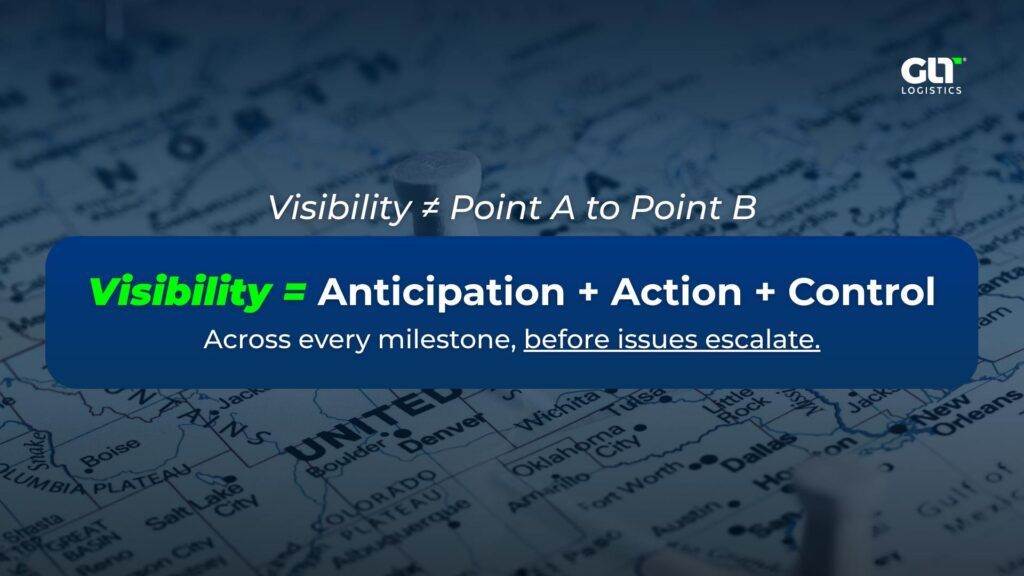
1. Visibility Beyond Tracking: True visibility goes beyond knowing when your freight was “picked up” or “delivered.” It’s about having information that actually influences decision-making throughout the entire journey, so you know what to expect. According to a Tive Report
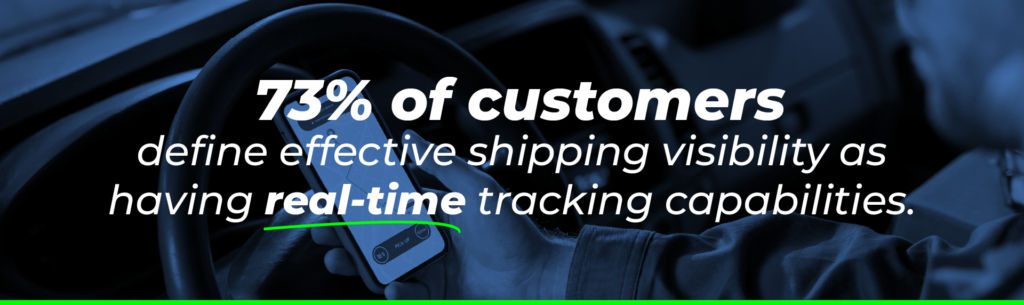
Here’s what you should expect from effective logistics management in transportation:
- End-to-End Visibility Across Every Critical Milestone: True visibility comes from tracking meaningful operational milestones—Booked, Pickup, In Transit, and Delivery—so you always have a clear, continuous view of your shipment’s progress.
At GLT, visibility goes hand in hand with proactive control. We monitor shipments 24/7, predict potential issues, and take action before they escalate. As a result, customers often hear about a problem only once it has already been resolved.
Through our robust tracking system, customers have continuous access to shipment data. For drayage moves, visibility begins while the cargo is still on the water, providing a complete lifecycle view from ocean to door. - Predictive Alerts & Proactive Action: Visibility isn’t just about knowing what’s happening; it’s about acting at the right moment.
GLT’s system generates early warnings that allow us to respond before issues escalate. We identify potential risks—such as detention or demurrage exposure, route delays, or operational bottlenecks—while there’s still time to intervene. This enables proactive actions like launching load rescues, prioritizing critical shipments, or disputing extra charges before they become permanent costs. - Total Traceability: When you can audit the process, you gain real control. Our fully traceable logistics management offers a complete, auditable history, so you’re not just informed, you can validate every step, every decision, and every outcome.
2. Dedicated Customer Service & Real Accountability: Technology is critical for visibility, but it cannot replace human judgment when navigating a crisis. Real control comes from relying on a partner that offers three layers of human backing:
- Operational Support During the Entire Journey: It’s no secret: everyone prefers personalized attention. As confirmed by Forbes in its State of Customer Service and CX Study, 81% of customers prefer companies that offer a personalized experience.
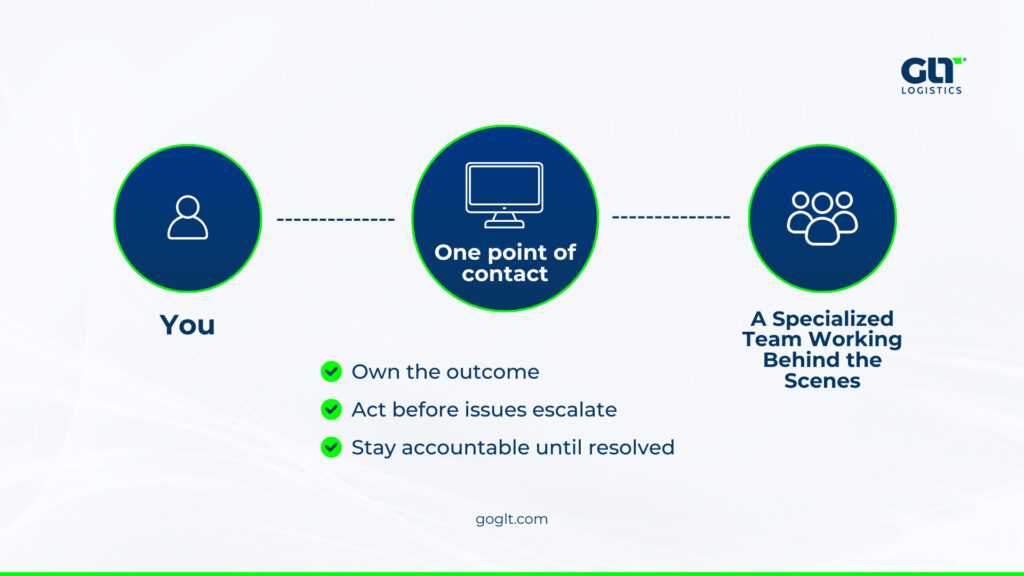
In logistics, this isn’t just a preference; it is the foundation of operational resilience. At GLT, we execute this by providing proactive recommendations based on freight type, lane conditions, and market context before the load moves. - Single Point of Contact: Logistics is complex by nature and often involves multiple providers to cover different needs. Effective logistics management seeks to reduce that complexity.
At GLT, activities are coordinated through a unified team that manages different modes and services under the guidance of a dedicated Account Manager. This role is supported by specialized experts in each area, allowing for technical accuracy across every stage while keeping communication centralized and clear. - Unwavering Ownership: Partnering with a logistics provider should mean stepping back from daily problem-solving. At GLT, we assume end-to-end responsibility throughout the journey. Our value is most visible when things fail: instead of disappearing, we reject the “blame game”, detect issues early, and address not only the problem but its root cause—delivering solutions, not excuses.
3. Real, Planned Capacity: Reliable logistics capacity should never be taken for granted. According to Tech.co, 85% of businesses in the industry operate near their limit, leaving little room to absorb disruptions or seasonal peaks. This often results in unavoidable delays. At GLT, we solve this through a strategy of designed anticipation:
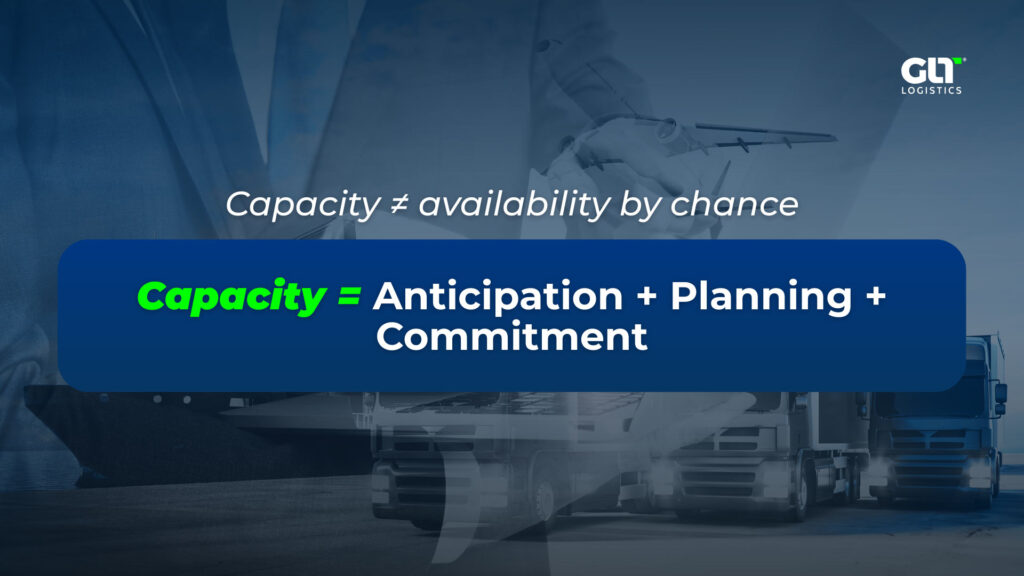
- Proactive Planning: We don’t wait for the peak; we plan and secure space before market shifts. Also, we provide early alerts on restrictions and have alternative plans.
- Trusted Network & Flexibility: We maintain a network of vetted carriers, selected for their service quality and regional coverage. This foundation provides the flexibility to adapt to specific lanes and scale according to our customers’ operational needs.
- The Guarantee: If we quote it, we move it. We honor our rates and commitments, prioritizing long-term reliability and execution over short-term market fluctuations.
4. Security and Anti-Fraud as an Operating Standard: Recent CargoNet data shows that cargo theft reached $111.88 million in Q3 2025 alone, highlighting that visibility is not enough—security must be active and embedded into daily operations.
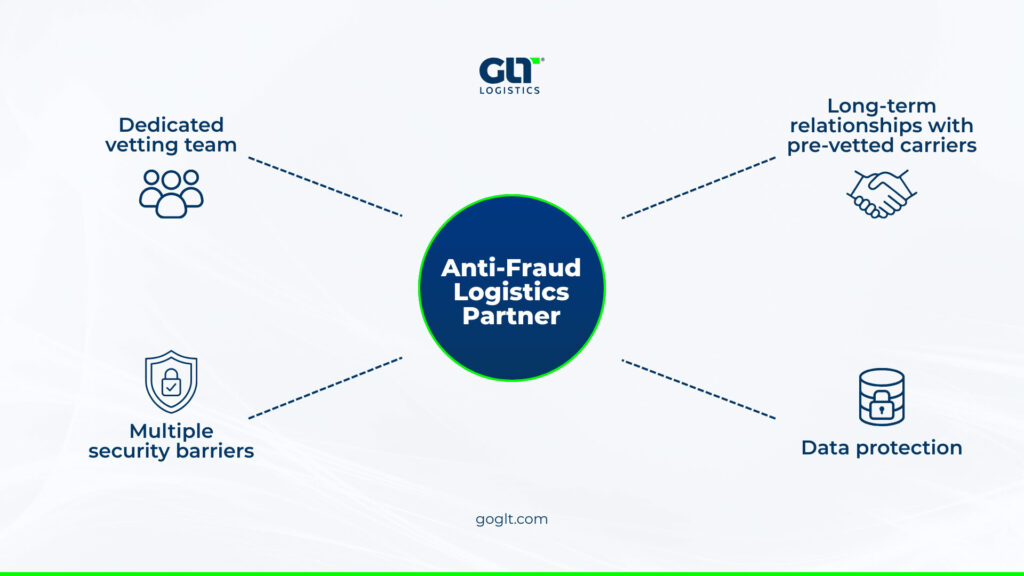
At GLT, we counteract this threat by making security non-negotiable:
- Dedicated Vetting Team: We combine human expertise with an exclusive platform that monitors carriers in real-time. Our team strictly cross-references data against the FMCSA’s SAFER system, instantly verifying authority, insurance, and equipment to ensure every partner is legitimate.
- Fraud Prevention: We implement multiple barriers specifically designed to block “ghost loads” and identity spoofing, ensuring that the carrier picking up the freight is actually the one we hired.
- Trusted Ecosystem: We prioritize long-term relationships with proven carriers. By building a network of validated partners, we minimize exposure to risky open-market actors.
- Data Protection: We shield sensitive documents and transfer details to prevent the information leaks that facilitate theft.
5. Autonomy or Assistance: You Decide
Finding the right balance between technology and human support remains a challenge in logistics management. For example, McKinsey reports that only 6% of large providers offer end-to-end online booking, limiting real-time control for most customers.
For many logistics teams, self-service isn’t just about speed, it’s about having decision-making power in their own hands, without waiting on a third party.
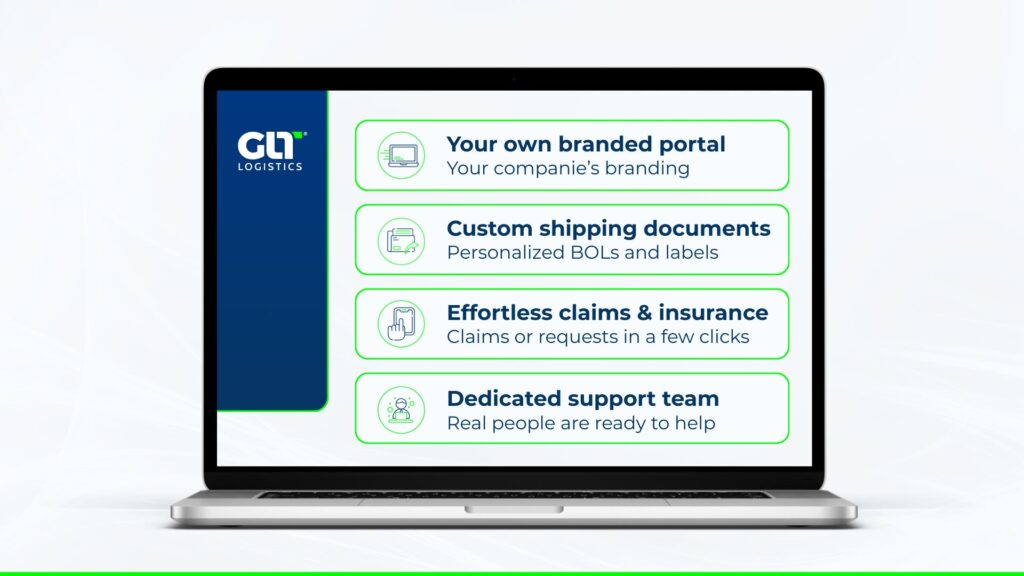
- The Online Freight Portal: Quote, dispatch, track, and pay in one platform.
- Brand Integration: Custom documentation with your corporate identity.
- Supported Autonomy: The efficiency of self-service tools, backed by logistics experts.
Mastering the “strategic game” of modern logistics requires more than just a clear interface; it demands a partner that can turn raw data into decisive action. In an industry where saturation is the norm and threats are increasingly sophisticated, real control is found in the balance between digital autonomy and human accountability.
Ultimately, effective logistics management isn’t about watching a shipment move, it’s about eliminating the “traps” of uncertainty so that your supply chain becomes a predictable, scalable engine for growth rather than a source of operational friction.
Ready to move from basic tracking to real control?
Contact us here, and we’ll get back to you shortly.
Frequently Asked Questions
1. What is the difference between shipment tracking and real-time visibility?
Shipment tracking typically shows basic status updates, such as when a load is picked up or delivered. Real-time visibility goes further by providing continuous insight into what is happening along the route, including delays, risks, and exceptions that may affect performance.
2. Why is real-time visibility critical for logistics management today?
Modern supply chains operate in highly volatile environments, with disruptions caused by weather, congestion, capacity constraints, or regulatory issues. Real-time visibility allows logistics teams to detect these risks early and act before they escalate, shifting operations from reactive problem-solving to proactive control.
3. How does logistics management improve cost control?
Effective logistics management helps optimize routes, select the right carriers, consolidate loads, and reduce inefficiencies such as empty miles or detention. Over time, this turns transportation from a variable, unpredictable cost into a more controlled and measurable part of the supply chain.
4. What should shippers and freight forwarders look for in a logistics management partner?
Beyond competitive rates, they should look for partners, like GLT logistics, that offer end-to-end visibility, proactive risk monitoring, strong carrier networks, regulatory expertise, clear accountability, and a proven approach to logistics management across modes and services